
Soil degradation
Bare soil and repeated disturbance accelerate erosion, organic matter loss and declining water function.

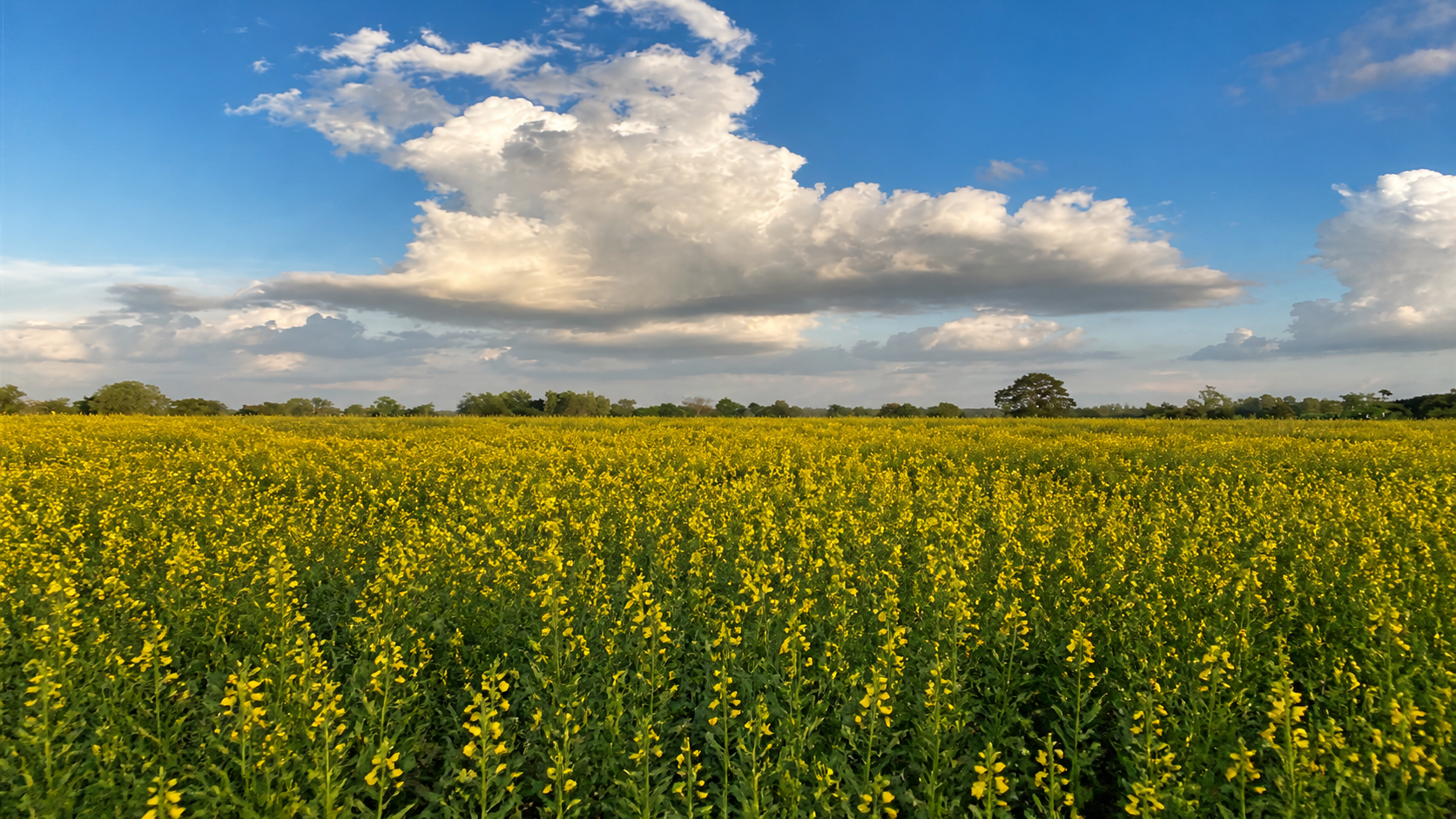
Decades of exposed ground, repeated disturbance, simplified monocultures and rising agrochemical dependence have weakened soil structure and biological diversity—leaving farms more vulnerable to erosion, drought, pests and input volatility.
Tropical Seeds begins between the cash crops: putting living roots, protective cover and functional diversity back into the system with seed selected for the climates where farmers actually work.
Bare soil and repeated disturbance accelerate erosion, organic matter loss and declining water function.
When biological functions disappear, production relies more heavily on purchased nutrients and crop protection.
Low-diversity systems offer fewer biological buffers against weather, pest pressure and changing farm economics.
We pair proven agronomy with emerging technologies and new genetics—helping farmers test better possibilities, learn from the field and move beyond the assumptions that limit progress.
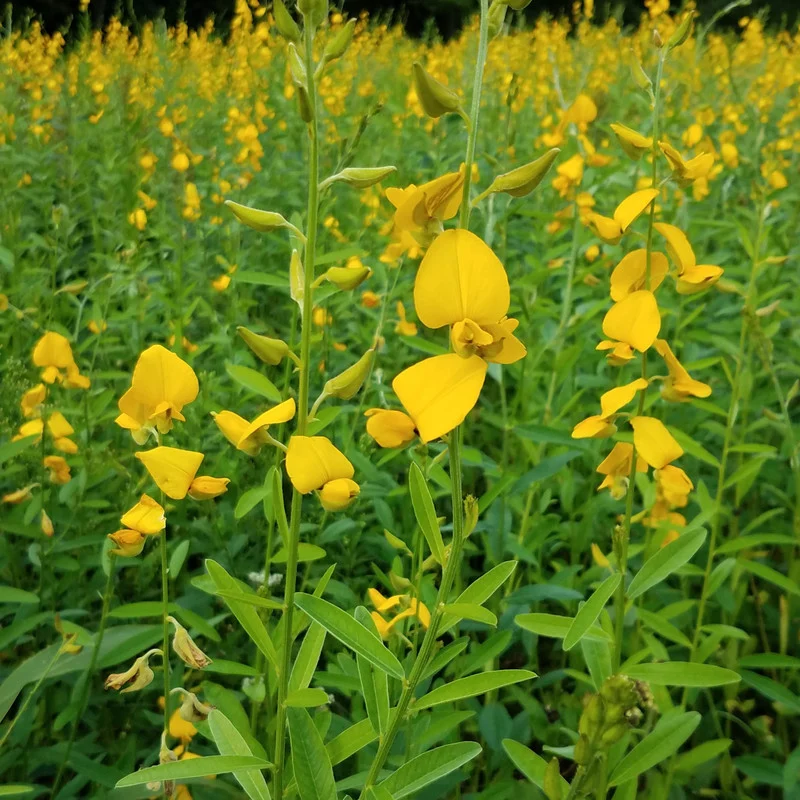
Crescent Sunn™ establishes rapidly in warm conditions, builds dense biomass and captures atmospheric nitrogen—creating a productive bridge between cash crops.
Used with the right planting and termination plan, Crescent Sunn™ can protect exposed soil, help suppress weeds, support selected nematode-management rotations and return substantial green matter to the field.
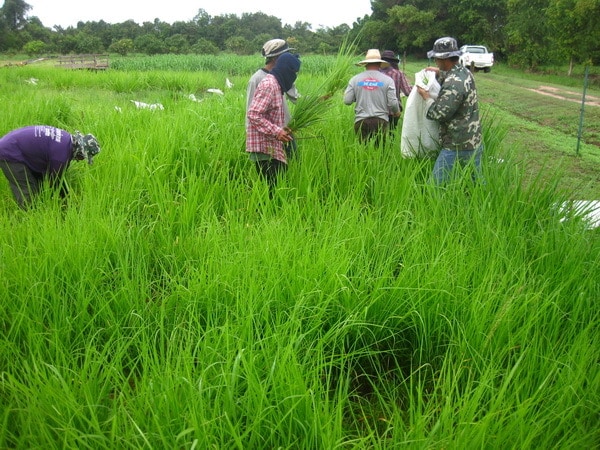
We connect genetics, university collaboration and field validation to understand where a variety performs, how it should be managed and what still needs to be tested.